

Barbados Crop Over: From Sugar Cane Harvest to Caribbean Celebration
The Origins of Crop Over
Crop Over is one of the oldest festivals in the Caribbean, dating back to the 1700s during Barbados’ sugar cane plantation era. The festival originally marked the end of the sugar cane harvest season — the most important economic activity on the island at the time.
Enslaved Africans and plantation workers would celebrate the final delivery of sugar cane with music, dance, food, and rum. These celebrations became known as “Crop Over,” symbolizing both the end of hard labor and a moment of release.
After emancipation in 1834, these celebrations evolved into a cultural expression of freedom, identity, and resilience.
The Evolution Into Modern Carnival
By the mid-20th century, Crop Over had faded due to economic decline in the sugar industry. However, in 1974, the Barbadian government revived Crop Over as a national cultural festival to boost tourism and celebrate heritage.
Today, it blends:
- Traditional Bajan culture
- Caribbean carnival aesthetics
- Soca music and calypso competitions
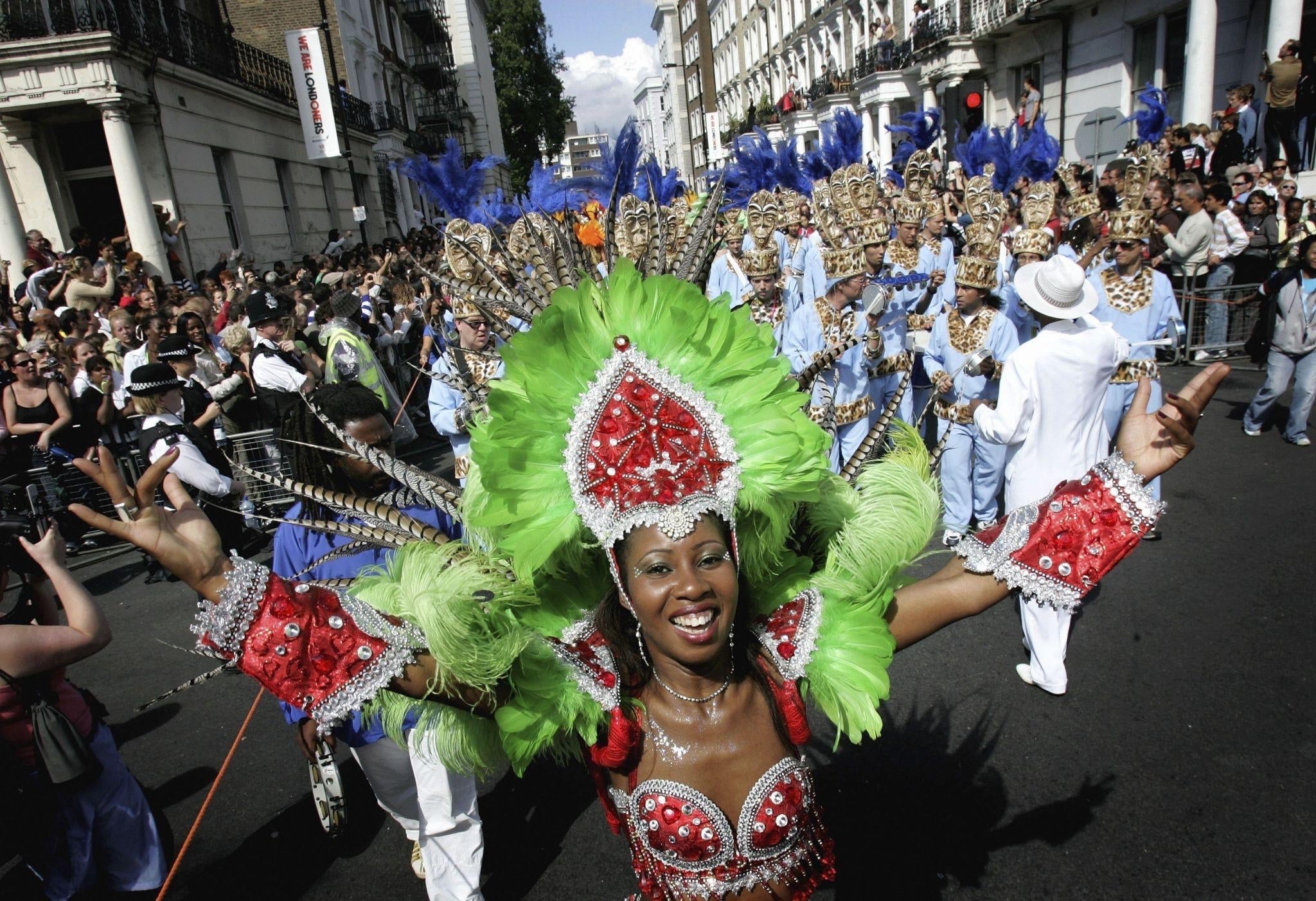
- Grand masquerade parades
Why Crop Over Is Unique
Unlike Trinidad Carnival, Crop Over is rooted in agricultural celebration, not pre-Lenten traditions. Its final event, Kadooment Day, represents a symbolic “jump up” celebrating freedom, joy, and Caribbean identity.


Written by Natalie Murren


Leave a comment
This site is protected by hCaptcha and the hCaptcha Privacy Policy and Terms of Service apply.